Why live in a tiny house?
People across all demographics all over Australia are increasingly choosing to live tiny for a variety of reasons.
Tiny houses are generally much more affordable than regular houses.
They can be built much more quickly by reputable professional builders.
You can own your home without needing to own land, or having a mortgage.
They’re generally more sustainable than regular houses.
Being small and built on wheels, tiny houses have a small footprint, use fewer materials than a regular build and require less energy to heat them in winter and keep them cool in summer.
Their size also promotes minimalism and a simpler way of life.
They’re a great way to make use of vacant land to increase housing supply.
Other tiny house FAQs
What is a tiny house?
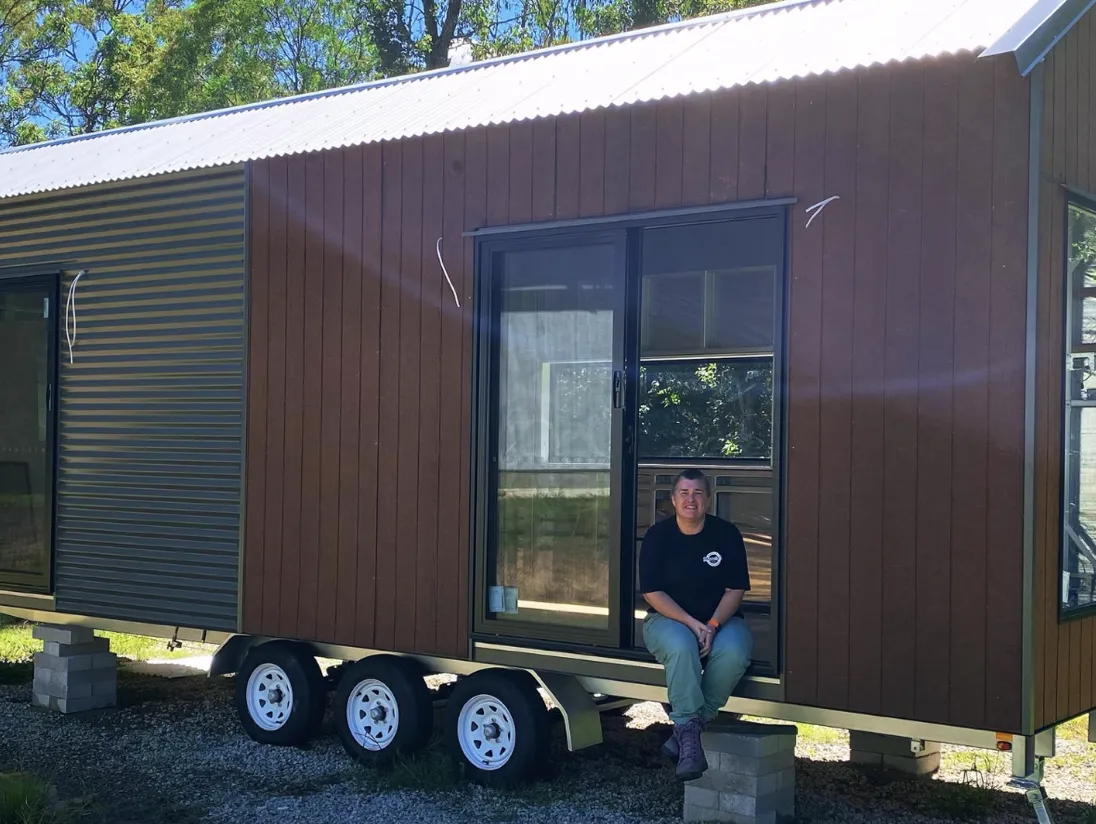
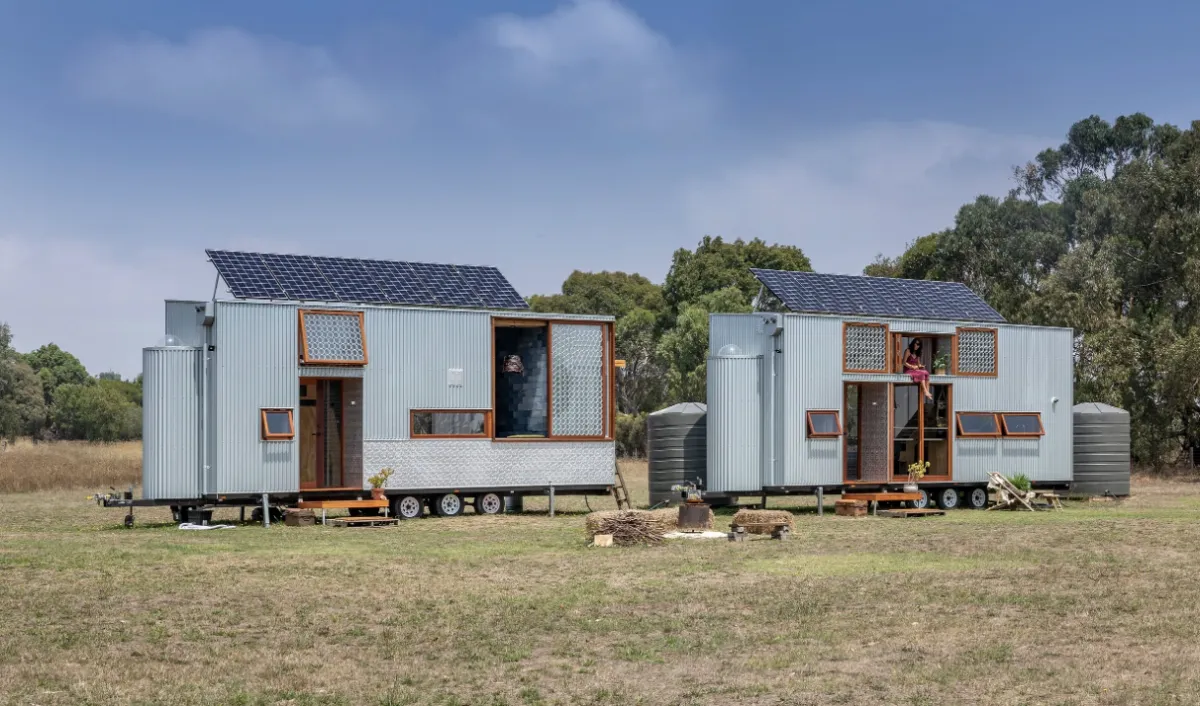
ATHA defines a tiny house as a small, moveable dwelling capable of being permanently occupied and usually on a wheeled trailer base. These dwellings are usually called Tiny Houses on Wheels (THOWs). Some tiny houses are also built on skids and can be moved by crane.
Why do tiny houses have wheels?
The reason tiny houses are built on wheels is to allow home ownership when land ownership is not possible or viable. This makes them a distinctive housing category, between caravans and built structures with fixed foundations. Most tiny houses on wheels are between 6m and 10m long and must weigh under 4.5 tonnes, the legal limit of their trailers.
Aren't they just over-engineered caravans?
Not at all. Tiny houses might be on wheels, but they have some clear advantages over caravans when it comes to long-term living. Tiny houses are designed to maximise liveability in terms of storage, comfort and amenities. They’re also built using high quality materials and construction methods to make them structurally sound and weatherproof long-term; this makes them considerably heavier and more house-like than caravans, which are designed primarily for regular travel.
Is tiny house living just a lifestyle trend?
Tiny houses might have started as a lifestyle choice, a way to have a simpler, more sustainable way of life. They’re now regarded as one of the most practical and affordable housing options available in Australia due to the increasing unattainability of housing, the increasing cost of living, and dire climate and environmental pressures.
Do I need council approval to live in a tiny house?
The short answer is: it depends where you want to live, that is, terms of the state and the Local Government Area, because some areas are more tiny-positive than others and because many councils still regard tiny houses as “caravans” (which often have strict limits in terms of permanent occupation). ATHA is passionately advocating to create more consistency and clarity across all LGAs and states in Australia so that people can live long-term in tiny houses legally, safely and in peace. Until then, it’s a good idea to check with your local council before deciding to live in a tiny house.
Where can I legally park a tiny house?
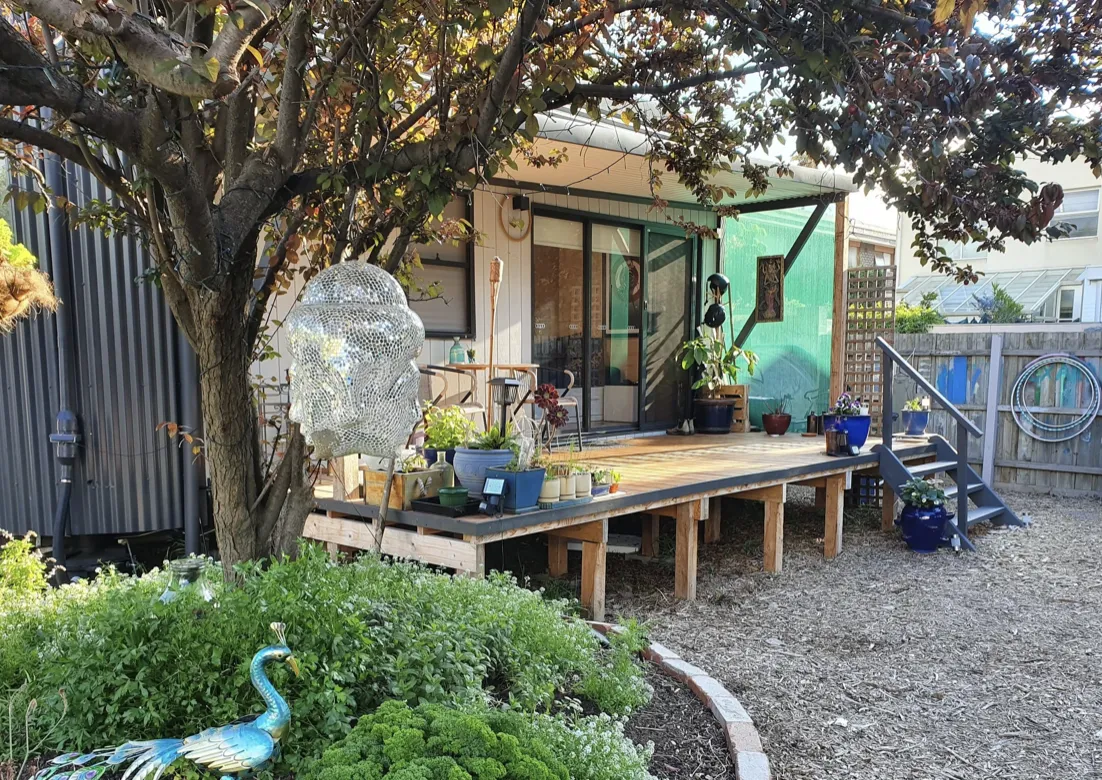
The most common way to live in a tiny house is to rent a site on someone else’s property. Tiny house communities or villages are also becoming an option in some places. It’s generally not legal to live in a tiny house on wheels on your own land unless there is another, primary dwelling already on the property (this rule varies depending on location). There are organisations that can help you find a site for your tiny, check our ATHA Business Directory.
Why are the regulations around tiny houses so confusing?
Because tiny houses are a relatively new typology, they don’t fit neatly into existing legislative frameworks. This is compounded by the fact that housing is regulated by federal, state and local government (council) authorities, whose planning policies can overlap and contradict each other. Tiny houses also can’t be certified under the National Construction Code, even when they’re built by reputable licensed builders, because they’re built on wheels which brings its own design constraints.
Where can I find a reputable tiny house builder?
First, check our ATHA Business Directory, which lists tiny house builders that are ATHA Business members and must abide by our code of ethics. Second, download our Buyers Guide on our home page, which covers questions to ask when choosing a tiny house builder.
How much does a typical tiny house cost?
A professionally built tiny house on wheels can cost between $80,000 and more than $170,000 depending on the size and design, how much customisation there is, the materials and craftsmanship and the quality of the build. Additional costs include off-grid setup or utilities connection, transport to your site and site preparation.
What kinds of people live in tiny houses?
The tiny home community is incredibly diverse and increasingly broad, but there are a few distinct groups of people who are particularly attracted to tiny houses ...
First home buyers
Most young people, even with full time work, do not have the means to save for a deposit for a traditional house. Buying a tiny home slashes rental costs and has the potential allow people to remain in suburbs near public transport by living in their tiny as a secondary dwelling. They then have extra money available to save for land or for a traditional house down the line.
Women over 55
Women over 55 are the fastest growing group at risk of homelessness in Australia. Often they have less superannuation, and less earning power than men their age due to structural inequalities. Tiny homes are a serious option for this demographic as they allow for independence, dignity and flexibility to live near friends or relatives, maintaining social connections.
Families
Many families are looking at ways to be closer to their children whilst having affordable, customised and flexible housing. When the kids start craving their own space families simply build another tiny, offering privacy and proximity.
The eco-conscious
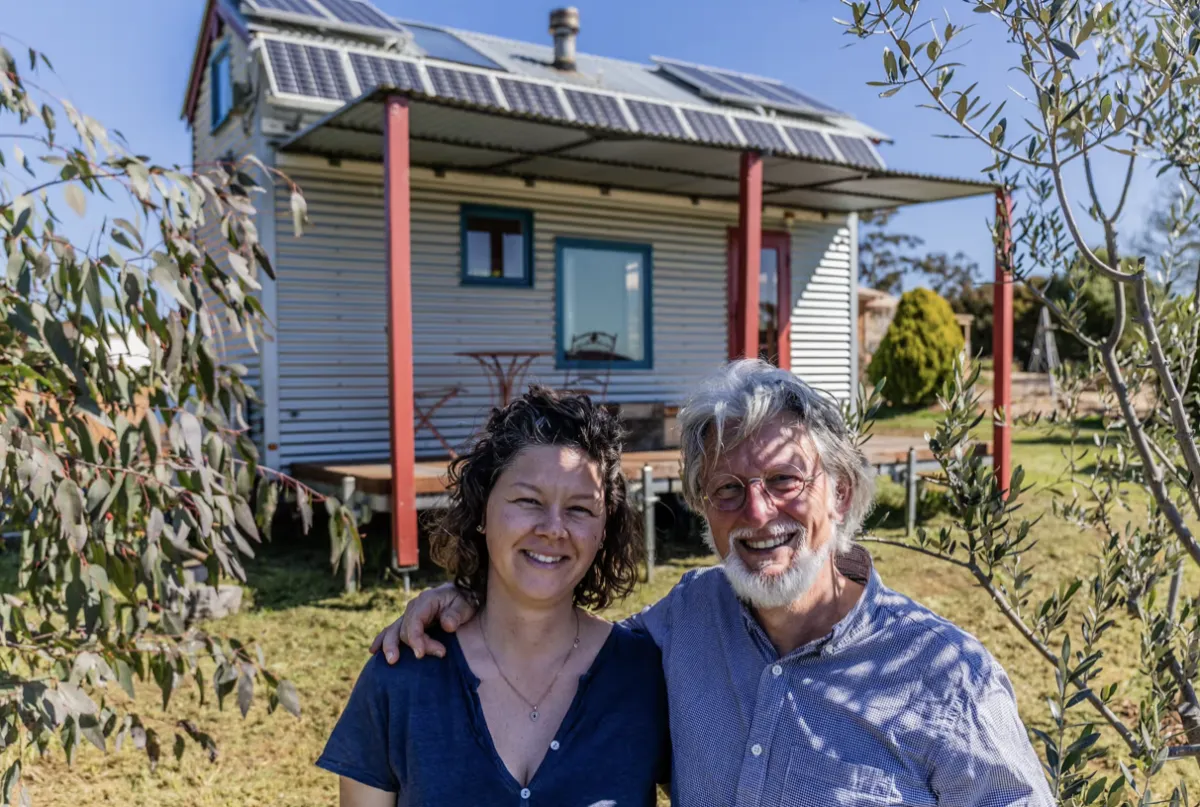
Tiny homes are particularly appealing to people who want to reduce their environmental impact. They use fewer resources to build, often incorporating recycled materials, they consume less energy in heating and cooling. Increasing density in the suburbs is useful for reducing transport use as well as increasing resilience in our communities.
Home owners
Many home and land owners want to support others struggling in the housing crisis as well as offset their own expenses such as rates and mortgage repayments with some extra income. By offering a spot for someone with a tiny house to park, they also gain community connections.
First home buyers
Most young people, even with full time work, do not have the means to save for a deposit for a traditional house. Buying a tiny home slashes rental costs and has the potential allow people to remain in suburbs near public transport by living in their tiny as a secondary dwelling. They then have extra money available to save for land or for a traditional house down the line.
Over 45 y/o, single women
400,000 women over 45 are at risk of homelessness in Australia and have been recognised as the fastest-growing group of homeless people in Australia. Often they have less super-annuation, and less earning power due to structural inequalities. Tiny homes are a serious option for this demographic as they allow for independence, dignity and flexibility to live near friends or relatives, maintaining social connections.
Families
Many families are looking at ways to be closer to their children whilst having affordable, customised and flexible housing. When the kids start craving their own space families simply build another tiny, offering privacy and proximity.
The eco-conscious
Tiny homes are particularly appealing to people who want to do what they can to reduce their environmental impact. Firstly, they use less resources to build, often incorporating recycled materials, they consume less energy in heating and cooling. Increasing density in the suburbs is useful for reducing transport use as well as increasing resilience in our communities.
Home owners
Many home owners want to do what they can to support others struggling in the housing crisis as well as reduce their own mortgages. By offering a spot for someone with a tiny house to park, they gain community connections as well as cash.
Subscribe for tiny house updates
Members stay informed with our quarterly newsletter, featuring the latest news and insights. Not ready to join? You can still sign up for regular updates on tiny house news from around Australia.
CONNECT WITH ATHA

