
OUR VISION
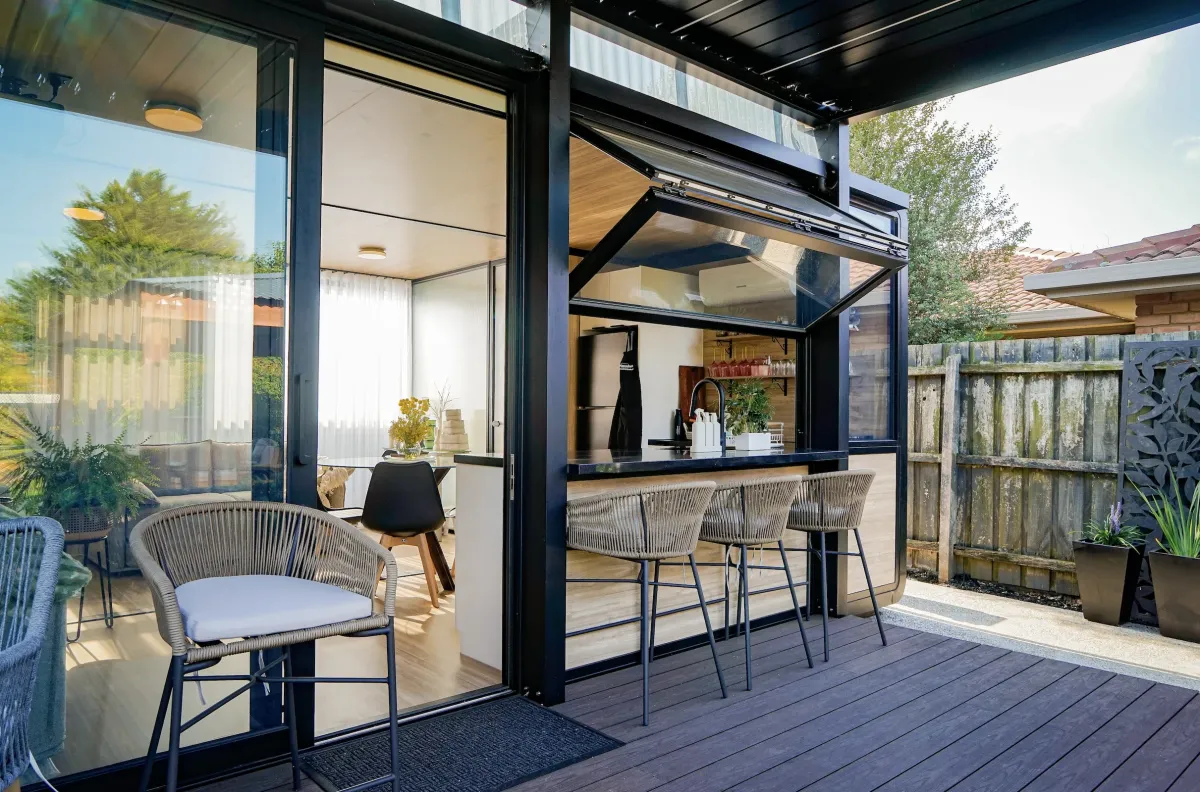
To lead Australia in adopting tiny house living as a sustainable, innovative and inclusive housing option.
Since 2018 we have been 100% not-for-profit, member and volunteer run to ensure we can accurately represent the diverse and rapidly growing movement.
What we offer
Education
We create peer reviewed guides for tiny house building, buying and living and they are free to access for our members.
Advocacy
Our volunteers engage with councils, state and federal governments sharing the benefits of permanent tiny house living.
Solutions
We have crafted a Planning Policy Template for local governments that has been the basis for a growing number of councils’ tiny house trials and adoption.
Support
Our volunteers engage with councils, state and federal governments sharing the benefits of permanent tiny house living.
What we offer
Education
We create peer reviewed guides for tiny house building, buying and living and are free for all, forever.
Advocacy
Our volunteers advocate to councils, state and federal governments for the benefits of permanent tiny house living.
Solutions
We have crafted a Planning Policy Template for local governments that has been the basis for a growing number of councils’ tiny house acceptance.
Support
We offer our members access to our pool of professional volunteer advisors so they can get help on their burning queries.
Tiny news
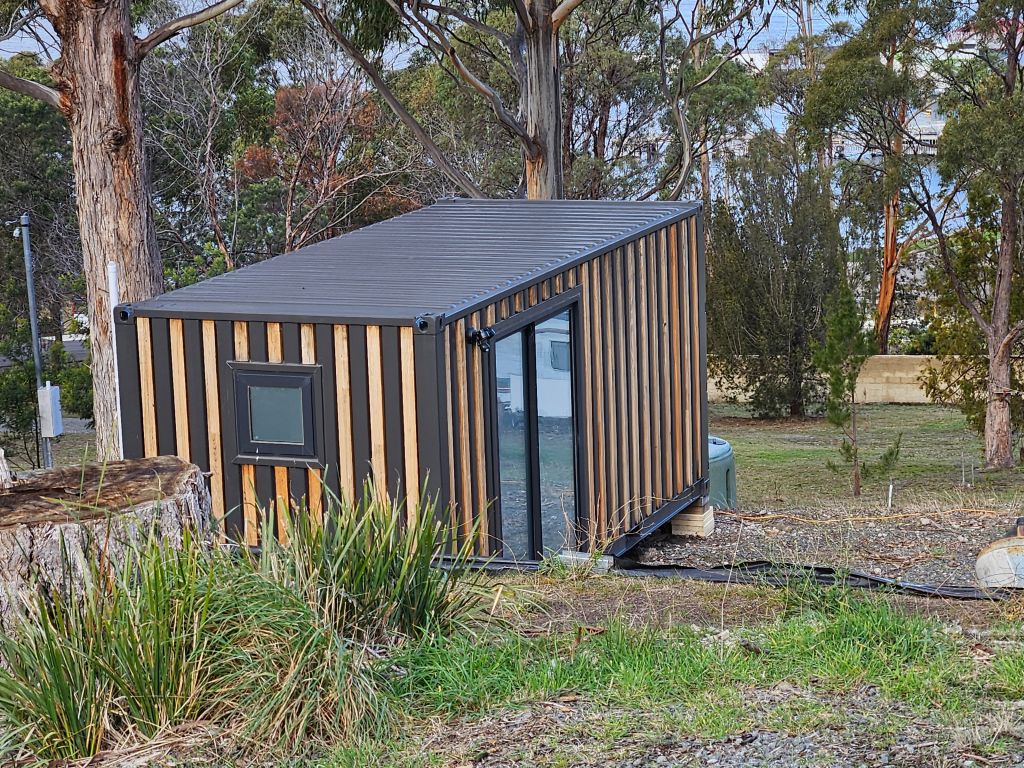
Signs of a shift: the most encouraging tiny home developments in Australia right now
The regulatory walls are not crumbling overnight. But more cracks are appearing than ever before.
If you have been following the tiny home movement in Australia for any length of time, you know the pattern well: a surge of community interest, a wall of regulatory confusion, and the quiet frustration of people who just want somewhere affordable to live. But 2025 and 2026 have brought something different - a genuine accumulation of small wins that, taken together, tell a more hopeful story. Councils are running real pilots. State planning offices are publishing clarity. Banks are starting to lend. And sales are climbing in a way that is impossible to ignore. Here is what has actually happened.
Sales have exploded
Let us start with the market, because it frames everything else. The tiny home industry in Australia has seen a 120% increase in sales over the last five years, with demand showing no signs of plateauing. This is happening against a backdrop of a conventional housing market that has made homeownership almost unthinkable for many Australians - the National Housing Supply and Affordability Council's 2025 State of the Housing System report found that households with a new mortgage now spend around 50% of their income on housing costs. Against that reality, a $100,000 tiny home looks less like a lifestyle choice and more like a rational act of self-preservation.
By the numbers:Australia's tiny home industry has seen a 120% increase in sales over five years. Inquiry volumes for modular and kit home builds were reportedly up as much as 50% in 2025, with Queensland alone recording a 373% surge in demand for DIY builds. The global tiny homes market, in which Australia is a significant contributor, is projected to grow from $13.17 billion in 2025 to $17.73 billion by 2030.
Councils are starting to act — with real pilots, real money
The most meaningful development of 2025 was not a law change. It was a council deciding to use its own land. Lake Macquarie City Council, in partnership with family services provider Allambi Care and funded through the NSW Government's Homelessness Innovation Fund, placed modular tiny homes on underutilised council-owned land in Belmont North to house young people at risk of homelessness. Development approvals were secured, a builder was contracted, and actual homes were placed on actual sites. This is what meaningful council action looks like - not a policy discussion paper, but two families with a roof over their heads.
The Lake Macquarie example sits within a broader package of housing reforms that included a Housing Diversity Planning Proposal encouraging higher density, a 100% discount on development contributions for affordable rental housing (saving an average of $14,500 per dwelling), and incentives for suburban infill developers. The council framed tiny homes not as a fringe experiment but as a core part of its housing strategy.
Surf Coast Shire in Victoria continues to run its Tiny Houses on Wheels Pilot, which accepts applications and runs until December 2026. The pilot waives planning permit requirements for compliant THOWs, includes clear assessment criteria covering safety, amenity and services, and has become one of the most closely watched policy experiments in Australian housing. Mount Alexander Shire, also in Victoria, has gone further still - removing permit requirements entirely for tiny homes on properties with an existing dwelling, with no time limits, following 91% community support during consultation.
Tasmania published actual guidance
Tasmania's relationship with tiny home regulation has historically been one of the most frustrating in the country - contradictory rules, changing fact sheets, and residents bounced between councils and building surveyors with no clear answers. So it was genuinely significant when the State Planning Office released a dedicated Tiny Houses Fact Sheet in December 2024, providing structured guidance on planning requirements for using and developing a tiny home as a permanent residence under the Tasmanian Planning Scheme. It does not solve every problem - building and plumbing requirements are covered separately - but it represents the state government acknowledging that tiny homes deserve their own clear framework, rather than being squeezed awkwardly into caravan regulations.
CBA opened the door on financing
Perhaps no single development in 2025 mattered more to the practical accessibility of tiny homes than Commonwealth Bank of Australia beginning to offer financing for prefabricated and modular homes. Until recently, most major banks in Australia would not finance prefab builds at all, particularly before the structure was affixed to land. CBA's move to offer construction-style loans for modular products - provided the land is owned or carries sufficient equity - changes the calculus for a significant portion of potential buyers. It signals that the banking sector is beginning to see prefab and modular as legitimate housing categories, not niche experiments. Other lenders and specialist financiers are watching.
The movement has outgrown its fringe reputation
Something less tangible but equally important has shifted in how tiny homes are talked about in Australia. The 2025 Tiny Home Expo in Mornington drew significant attendance, the Australian Tiny House Association continues to run active advocacy campaigns and maintain a nationwide regulatory database, and media coverage has increasingly framed tiny homes not as a quirky lifestyle trend but as a serious and necessary response to a housing crisis. The first Tiny Homes Expo for 2026 kicked off in Melbourne in early April, with the Australian Tiny House Association present for all three days.
Dr Michael Fotheringham, managing director of the Australian Housing and Urban Research Institute, has stated that the idea of every Australian needing a large block of land is outdated. That view - once considered radical - is now appearing in planning forums, council strategies, and government housing reports. The National Housing Supply and Affordability Council's 2025 report called for innovation across every part of the housing system. Tiny homes are increasingly part of that conversation at the official level, not just the community one.
What comes next
The momentum is real, but it is still fragile. A NSW Committee on Rural Housing Second Dwelling Reform was due to report in February 2026, and its findings could create meaningful pressure for statewide planning updates in 2026 and 2027. Shellharbour's THOW pilot is set to run until December 2026, with possible statewide expansion being watched closely. And every council that runs a successful pilot makes the next council's decision a little easier to justify.
None of this is the breakthrough that the tiny home community has been waiting years for. Regulatory clarity remains inconsistent, financing is still harder than it should be, and too many Australians are still living in tiny homes under the radar rather than with the security they deserve. But 2025 and 2026 have produced more genuine progress than any two-year period before them. The task now is to make sure that momentum does not quietly stall - and that the councils and governments that have acted are recognised, celebrated, and challenged to go further.

Join Us
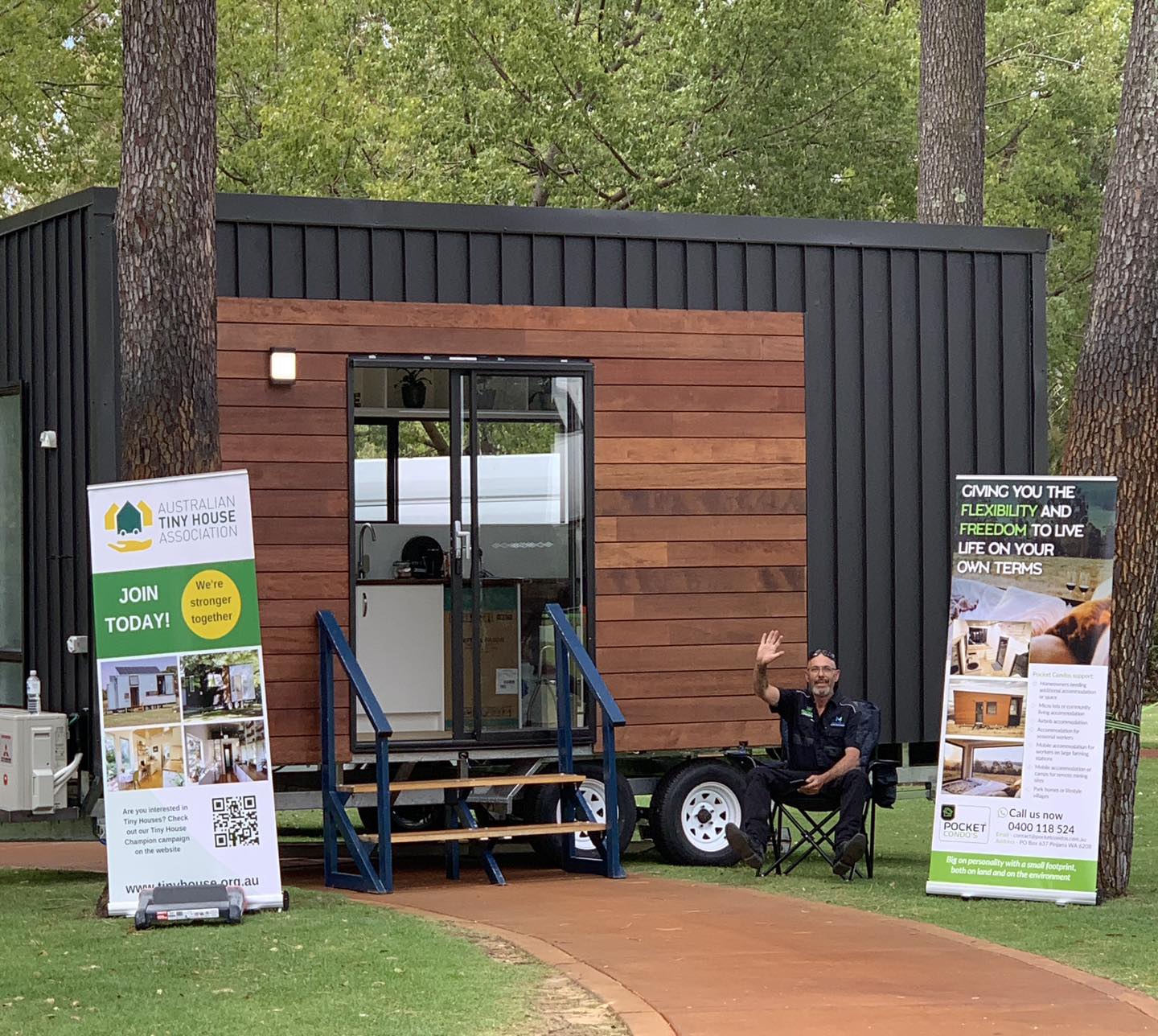
Support the tiny house movement by becoming an ATHA member.
We welcome individual and business members. Membership benefits include access to current news and resources, our Members-Only Facebook page and other exclusive offers from time to time. All funds go towards educating the public and legislators about tiny houses.
Join Us
Support the tiny house movement by becoming an ATHA member. We welcome individual and business members. All funds go straight towards educating the public and legislators about tiny houses.
ATHA Business Directory
ATHA business members are supporting the movement financially, allowing us to have a bigger impact and reach more people.
Consider using an ATHA member as a supplier for your build. All ATHA Business Members agree to adhere to our Code of Conduct.
ATHA Business Directory
ATHA business members are supporting the movement financially, allowing us to have a bigger impact and reach more people.
Consider using an ATHA member as a supplier for your build.
All ATHA Business Members agree to adhere to our Code of Conduct.
Subscribe for tiny house movement updates
We send out emails about once per month, unsubscribe at any time.

CONNECT WITH ATHA


Subscribe for tiny house industry updates
We send out email updates about once per month.
You can unsubscribe at any time.
CONNECT WITH ATHA