Leading Australia in adopting tiny house living as a sustainable, innovative and inclusive housing option.
The Australian Tiny House Association (ATHA) is a non-profit organisation wholly run by our members and voluteers to ensure we accurately represent the diverse and rapidly growing movement.
Leading Australia in adopting tiny house living as a sustainable, innovative and inclusive housing option
The Australian Tiny House Association (ATHA) is a non-profit organisation wholly run by our members and volunteers to ensure we accurately represent the diverse and rapidly growing movement.
What is a tiny house?
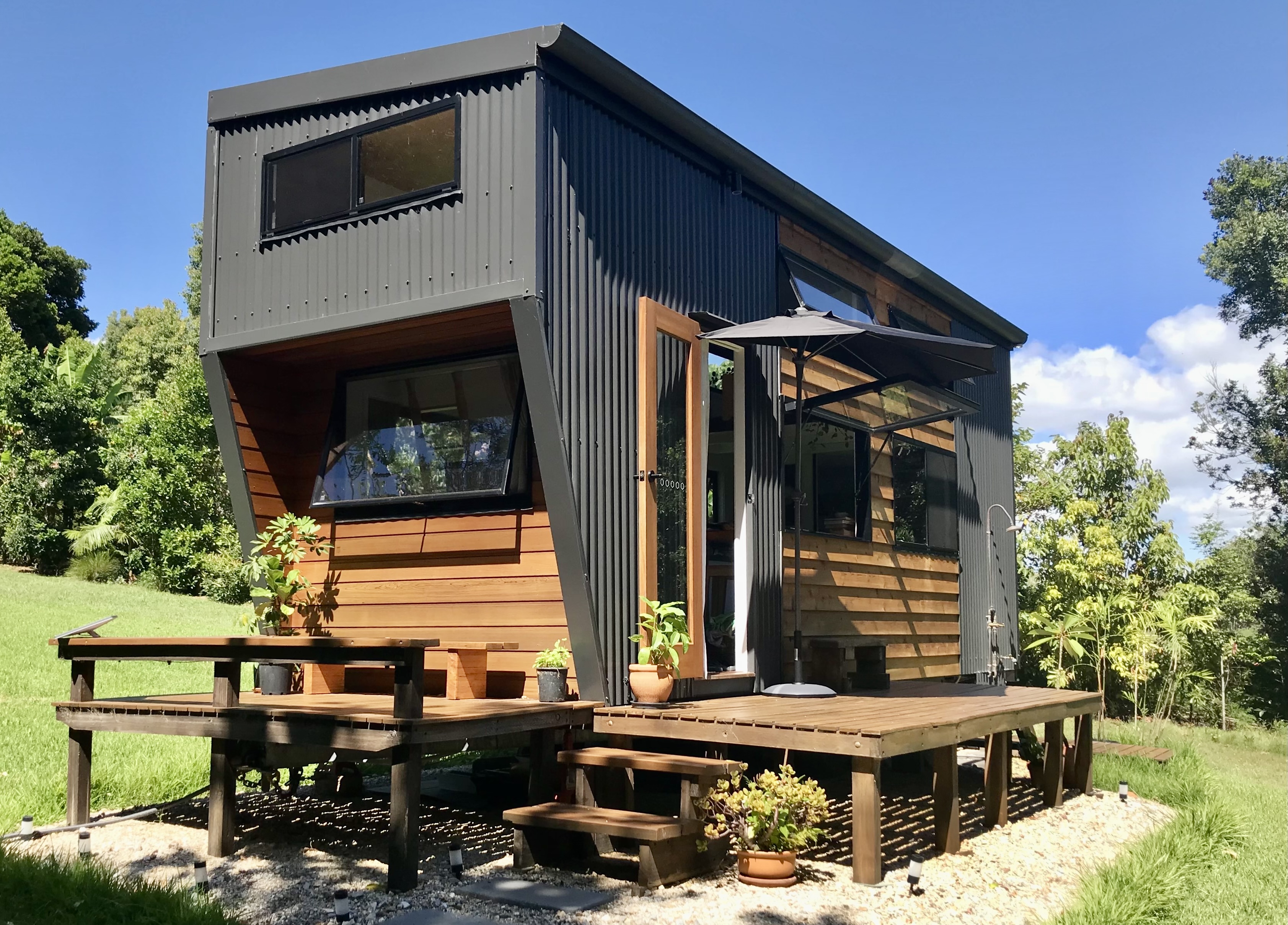
The Australian Tiny House Association defines a tiny house as a small, moveable dwelling capable of being permanently occupied and usually on a wheeled trailer base.
These dwellings are usually called Tiny Houses on Wheels (THOWs).
Please note: This definition does not include caravans or small dwellings built on foundations, such as granny flats or shipping container homes. Local councils and other regulatory authorities may define "tiny houses" differently.
Why Join ATHA?
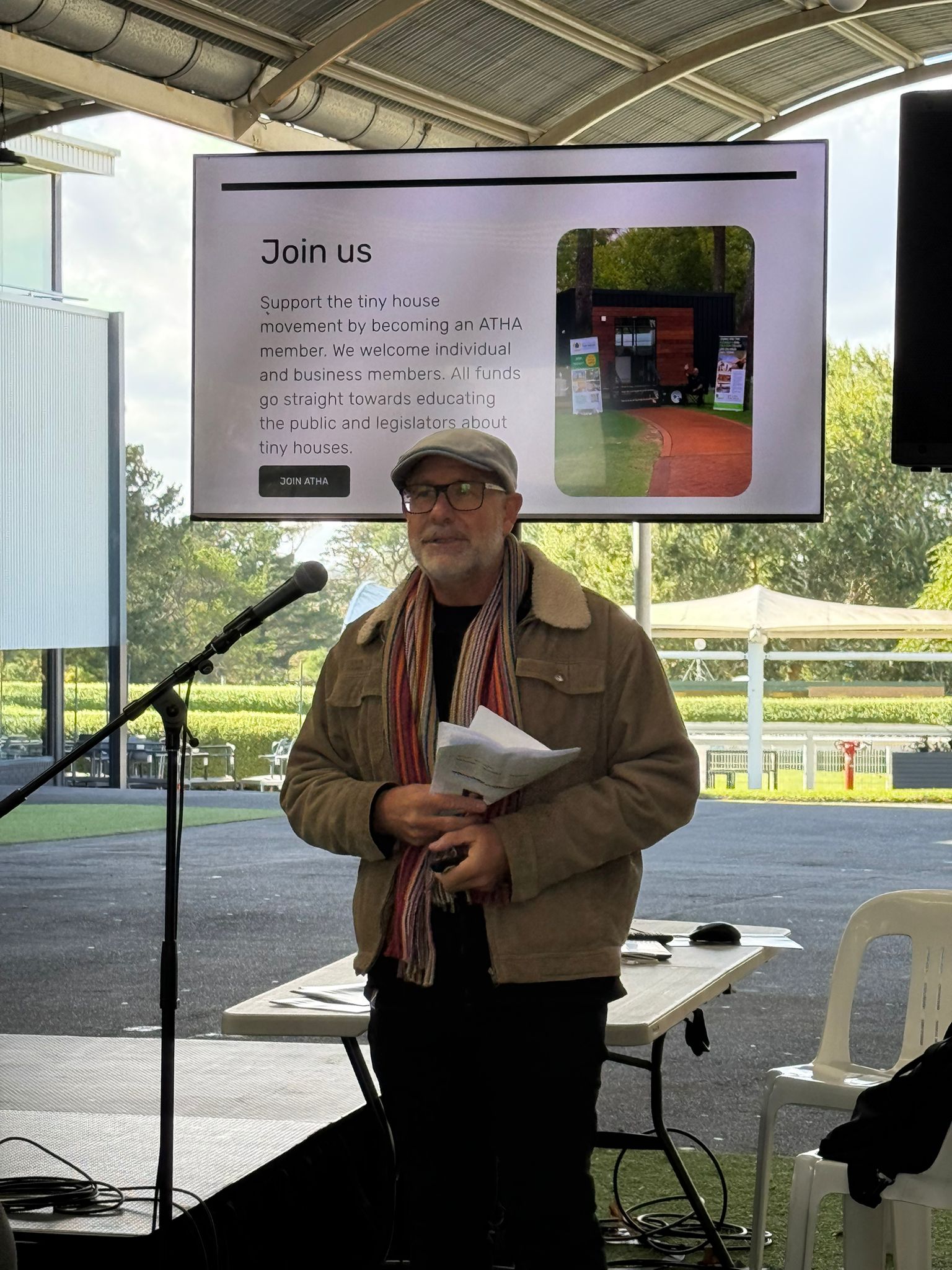
The more members ATHA has, the stronger our collective voice.
As a collective, we can advocate for tiny houses to be recognised as a legitimate form of permanent moveable housing across Australia.
By joining, you're not just adding your name, you're helping us produce trusted, evidence-based information that supports both our members and the wider community.
Together, we can reshape the housing landscape, making tiny living a normalised, accessible, and straightforward option for people across Australia.
Your membership enables sustained, long-term advocacy, moving beyond one-off campaigns to create meaningful, lasting change.
ATHA Business Directory
ATHA business members are supporting the movement financially, allowing us to have a bigger impact and reach more people.
Consider using an ATHA member as a supplier for your build. All ATHA Business Members agree to adhere to our Code of Conduct.
ATHA Buyers Guide
ATHA has produced a Buyers Guide to highlight questions to ask and things that should be considered before purchasing a tiny home.
ATHA Business Directory
ATHA business members are supporting the movement financially, allowing us to have a bigger impact and reach more people.
Consider using an ATHA member as a supplier for your build.
All ATHA Business Members agree to adhere to our Code of Conduct.
ATHA Buyers Guide
ATHA has produced a Buyers Guide to highlight questions to ask and things that should be considered before purchasing a tiny home.
Subscribe for tiny house updates
Members stay informed with our quarterly newsletter, featuring the latest news and insights. Not ready to join? You can still sign up for regular updates on tiny house news from around Australia.
CONNECT WITH ATHA

