OUR VISION
To lead Australia in adopting tiny house living as a sustainable, innovative and inclusive housing option.
Since 2018 we have been 100% not-for-profit, member and volunteer run to ensure we can accurately represent the diverse and rapidly growing movement.
What we offer
Education
We create peer reviewed guides for tiny house building, buying and living and they are free to access for our members.
Advocacy
Our volunteers engage with councils, state and federal governments sharing the benefits of permanent tiny house living.
Solutions
We have crafted a Planning Policy Template for local governments that has been the basis for a growing number of councils’ tiny house trials and adoption.
Support
Our volunteers engage with councils, state and federal governments sharing the benefits of permanent tiny house living.
What we offer
Education
We create peer reviewed guides for tiny house building, buying and living and are free for all, forever.
Advocacy
Our volunteers advocate to councils, state and federal governments for the benefits of permanent tiny house living.
Solutions
We have crafted a Planning Policy Template for local governments that has been the basis for a growing number of councils’ tiny house acceptance.
Support
We offer our members access to our pool of professional volunteer advisors so they can get help on their burning queries.
Tiny news
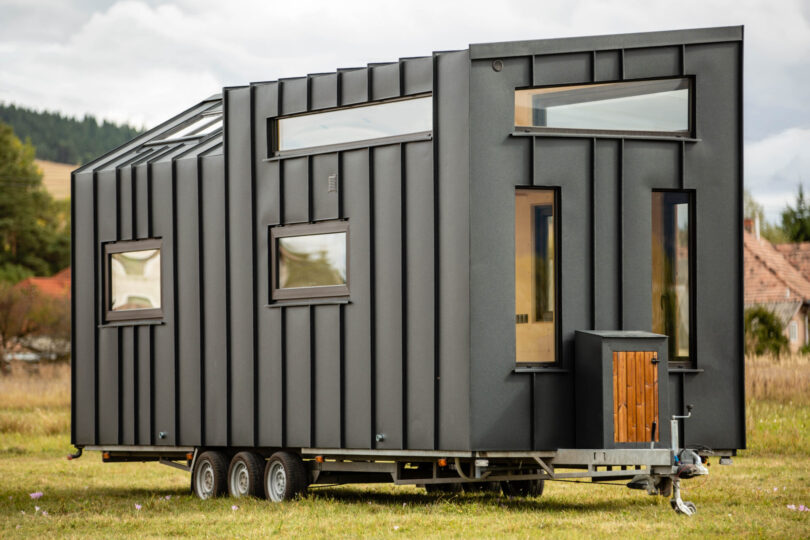
San Diego just showed the world how to welcome tiny homes — and it was easier than anyone expected
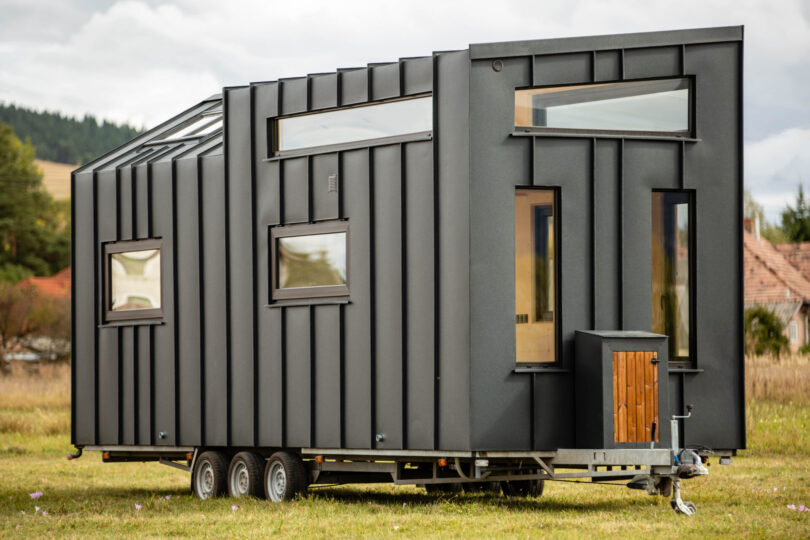
San Diego just showed the world how to welcome tiny homes — and it was easier than anyone expected
A simple planning review, no lengthy legislation, and a city that decided to say yes.
April 2026·3 min read
For tiny home advocates who spend their days navigating a wall of regulatory confusion, the news out of San Diego County in October 2025 felt almost too good to be true. County planning officials quietly announced that Tiny Homes on Wheels were now a legitimate housing option in unincorporated areas - and they did it without a single new piece of legislation.
"A significant shift" — the County's own words for a decision that could now let tiny homes sit on private land as standalone homes or as accessory dwellings alongside existing houses.
The Department of Planning and Development Services simply reviewed whether tiny homes on wheels could fit under the County's existing Zoning Ordinance. The answer was yes. That was it. No years-long inquiry, no endless consultation rounds, no political football. Just a council that looked at what it already had and decided to use it sensibly.
The benefits flow in two directions. Homeowners gain a new way to house family members, renters, or senior relatives who want to stay close but independent. Developers get a faster, more affordable build option to put into a region that, like everywhere else, is desperate for more housing supply. The County described the move as sitting squarely within its broader Housing Blueprint - a framework already in place and already pointing in this direction.
For those of us watching tiny home policy in Australia, this is both inspiring and a little frustrating. The San Diego model is not exotic. It does not require new funding, new agencies, or new laws. It requires councils to look at what they already have and ask whether it can be used more generously. In Tasmania, frustrated residents are being bounced between councils and building surveyors with no clear answers. In South Australia, every council has its own interpretation of rules that themselves keep shifting. Meanwhile, a county of 3.3 million people in California just quietly got on with it.
The lesson here is not complicated: the regulatory path already exists in most places. What is needed is the will to walk down it. If San Diego can do it with a planning review, there is no reason an Australian council cannot do the same. The question is whether they are willing to try.
The original article by Gig Conaughton, is linked here.

Join Us
Support the tiny house movement by becoming an ATHA member.
We welcome individual and business members. Membership benefits include access to current news and resources, our Members-Only Facebook page and other exclusive offers from time to time. All funds go towards educating the public and legislators about tiny houses.
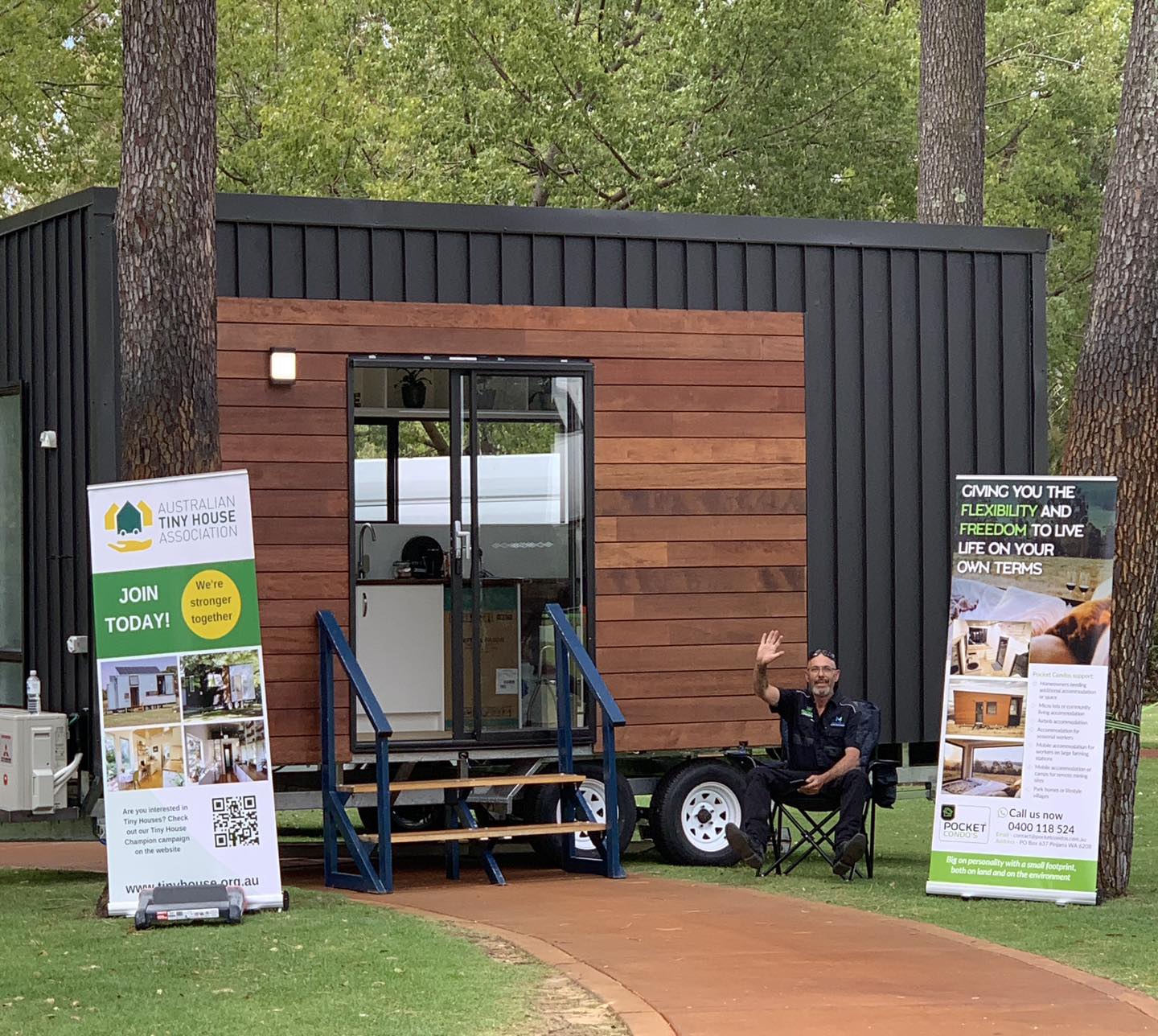
Join Us
Support the tiny house movement by becoming an ATHA member. We welcome individual and business members. All funds go straight towards educating the public and legislators about tiny houses.
ATHA Business Directory
ATHA business members are supporting the movement financially, allowing us to have a bigger impact and reach more people.
Consider using an ATHA member as a supplier for your build. All ATHA Business Members agree to adhere to our Code of Conduct.
ATHA Business Directory
ATHA business members are supporting the movement financially, allowing us to have a bigger impact and reach more people.
Consider using an ATHA member as a supplier for your build.
All ATHA Business Members agree to adhere to our Code of Conduct.
Subscribe for tiny house movement updates
We send out emails about once per month, unsubscribe at any time.
CONNECT WITH ATHA


Subscribe for tiny house industry updates
We send out email updates about once per month.
You can unsubscribe at any time.
CONNECT WITH ATHA